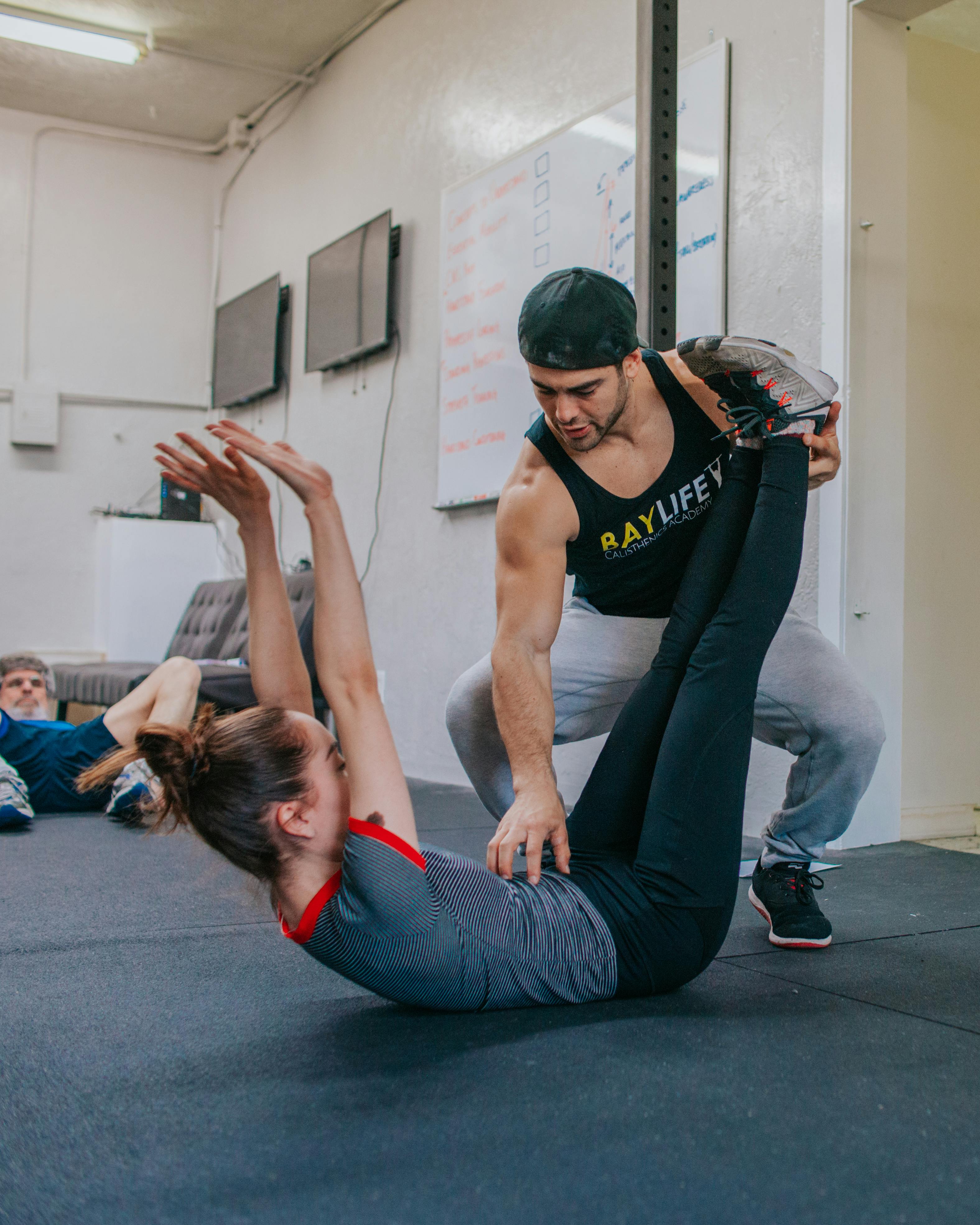

Sports-specific training focuses on developing the physical qualities and movement patterns required by a particular sport. Unlike general gym workouts, it targets speed, power, agility, endurance and skill transfer so athletes perform better when it counts.
Why sports-specific training matters
- Improves performance: Trains the exact energy systems and movements used in competition.
- Prevents injuries: Strengthens muscles and stabilizers most stressed in your sport.
- Develops skill endurance: Bridges the gap between isolated gym strength and sport-specific execution.
Key components of an effective program
A well-rounded sports-specific plan includes:
- Movement analysis — identify the primary actions of the sport (sprinting, cutting, rotation).
- Strength & power — compound lifts, Olympic variations, and plyometrics.
- Speed & agility — short sprints, ladder work, change-of-direction drills.
- Mobility & stability — joint prep, hip/ankle mobility, shoulder stability.
- Energy system training — interval work for anaerobic sports, longer conditioning for endurance sports.
Sport-specific sample workouts
Football (soccer) — speed & repeat sprint ability
Warm-up: 10 min dynamic mobility. Main set: 6 x 30m sprints (full effort) with 90s recovery; 4 x 5-min small-sided games or high-intensity intervals. Strength: split squats, hip thrusts, single-leg Romanian deadlifts.
Basketball — vertical power & lateral quickness
Plyometrics: 3 x 6 box jumps; Lateral bounds 3 x 8 each side. Agility: cone shuffle drills, reaction partner drills. Strength: trap bar deadlift, Bulgarian split squat, loaded carry.
Tennis — rotational power & shoulder resilience
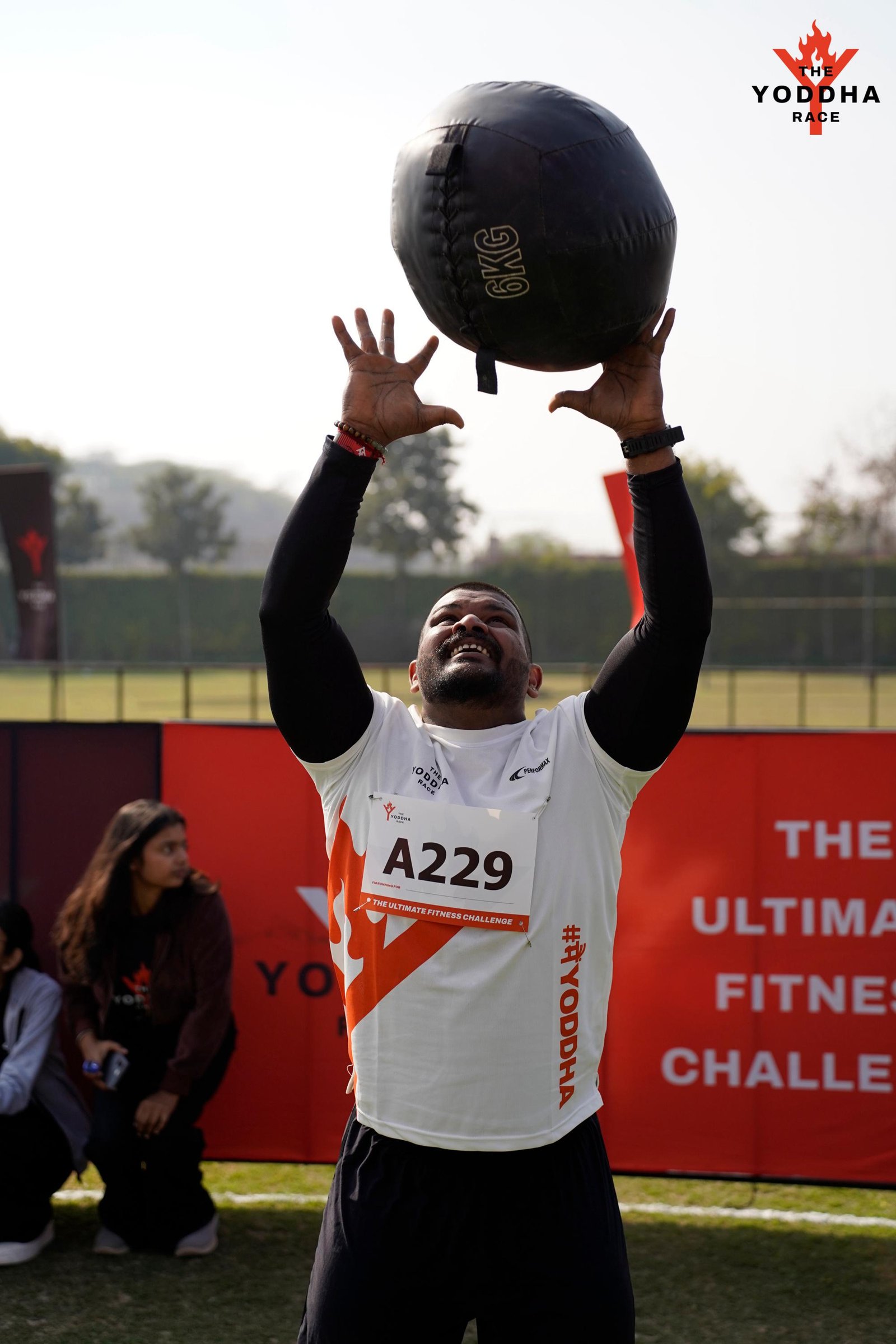
Medicine ball rotational throws, single-leg balance volleys, banded shoulder external rotations. Short high-intensity on-court drills to mimic point play.
4‑Week Sports-Specific Starter Plan (sample)
Train 3–4 days per week combining strength, power, and on-field skill work. Each session focuses on one or two qualities (eg. strength + agility). Example weekly split:
- Day 1: Strength + low-volume plyos
- Day 2: Speed & agility + sport skill
- Day 3: Active recovery + mobility
- Day 4: Power-focused strength + conditioning
Injury prevention & recovery tips
Include prehab exercises targeting the hamstrings, groin, rotator cuff and ankle stabilizers. Use foam rolling and targeted mobility daily. Progress load gradually — week-to-week increases should be conservative (5–10%).
SEO & content tips for this article
Use keyword variations like "sports-specific training programme", "athlete conditioning", and "sport-based strength training" across headings and alt text. Add internal links to your sports training programs and a high-quality outbound resource like a sports science article or federation guideline.
Images & ALT text (suggested)
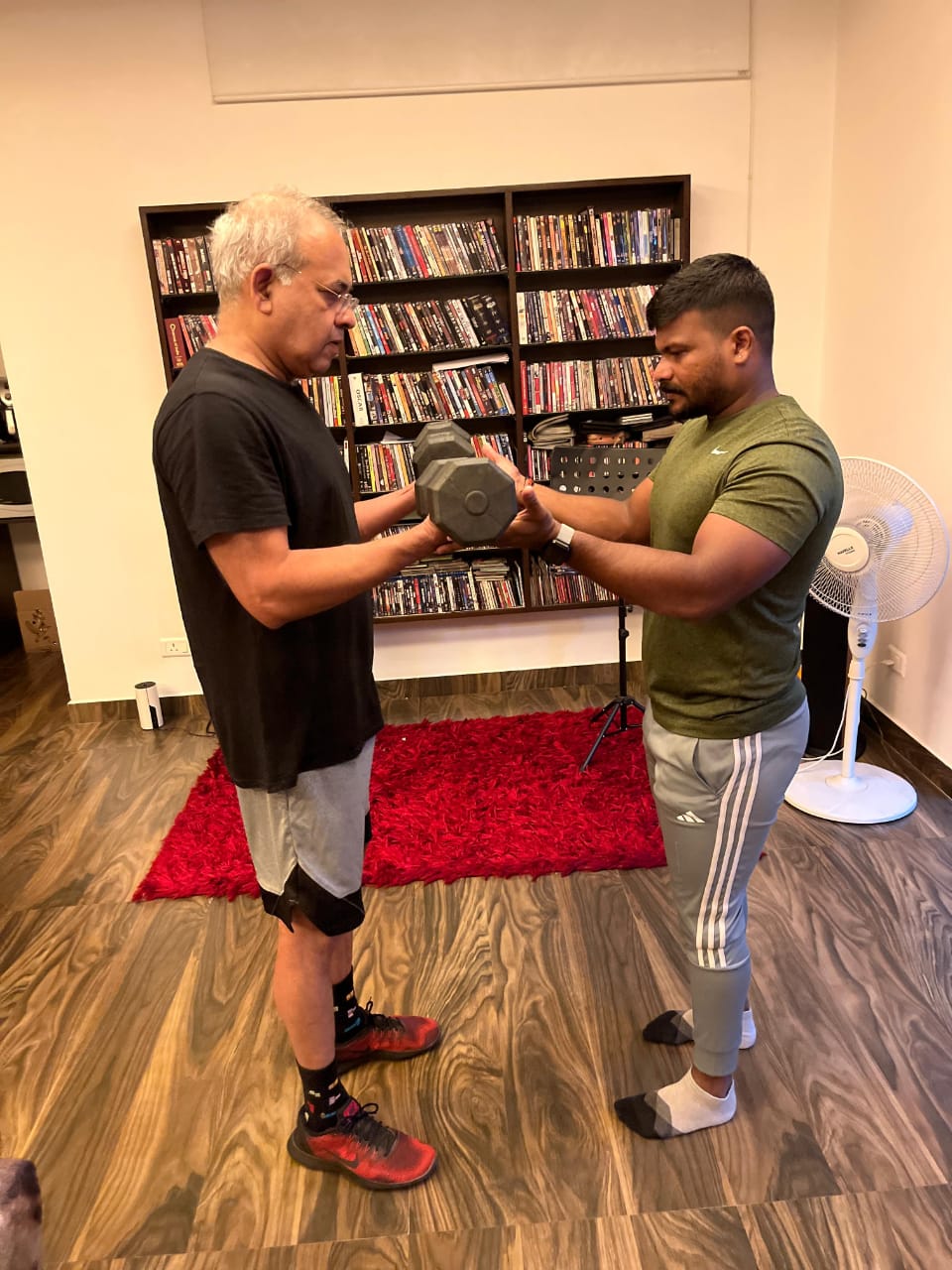
Include high-resolution images with descriptive alt text for accessibility and SEO:

Call to action
Ready to level up? Book a sports-specific assessment and get a training plan tailored to your sport and position.
.jpeg)